Development of urban planning documents for four towns that are particularly vulnerable to climate-related hazards and which are beneficiaries of the Programme for the Adaptation of Towns to Climate Change (PAVICC)
Country : Benin
Service : Urban Development, Climate Change Adaptation
Client : Ministry of Quality of Life and Sustainable Development (Benin)
Funder : French Development Agency
Duration : 2021 to 2025
Total amount : € 1.5 million
Partners : Rich’Arc, Agence Perspective
The project
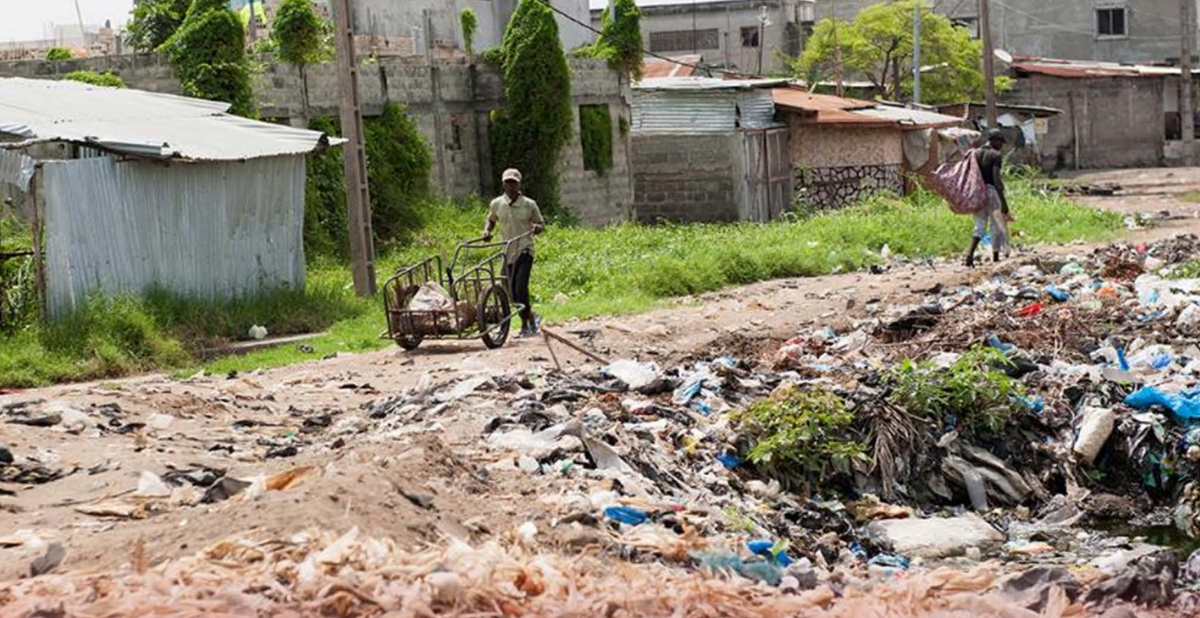
The four municipalities studied (Cotonou, Sèmè-Podji, Bohicon, and Comè) are beneficiaries of the Program for Urban Adaptation to Climate Change (PAVICC). PAVICC supports municipalities in incorporating the vulnerability of their territories to the effects of climate change into urban planning, in order to (i) anticipate and better guide urban growth and (ii) increase the urban resilience of these territories in the event of natural disasters. The goal is to implement urban planning that is resilient to these risks, to plan for livable urban development (more green and blue spaces to reduce the effects of heat islands, more shaded areas, etc.), and to promote more sustainable and environmentally friendly urbanization through shared governance models.
Our services for this project
Development of urban planning documents for the four areas under consideration, enabling the implementation of urban planning that is adapted to climate change and local socioeconomic challenges.
Activities completed:
-
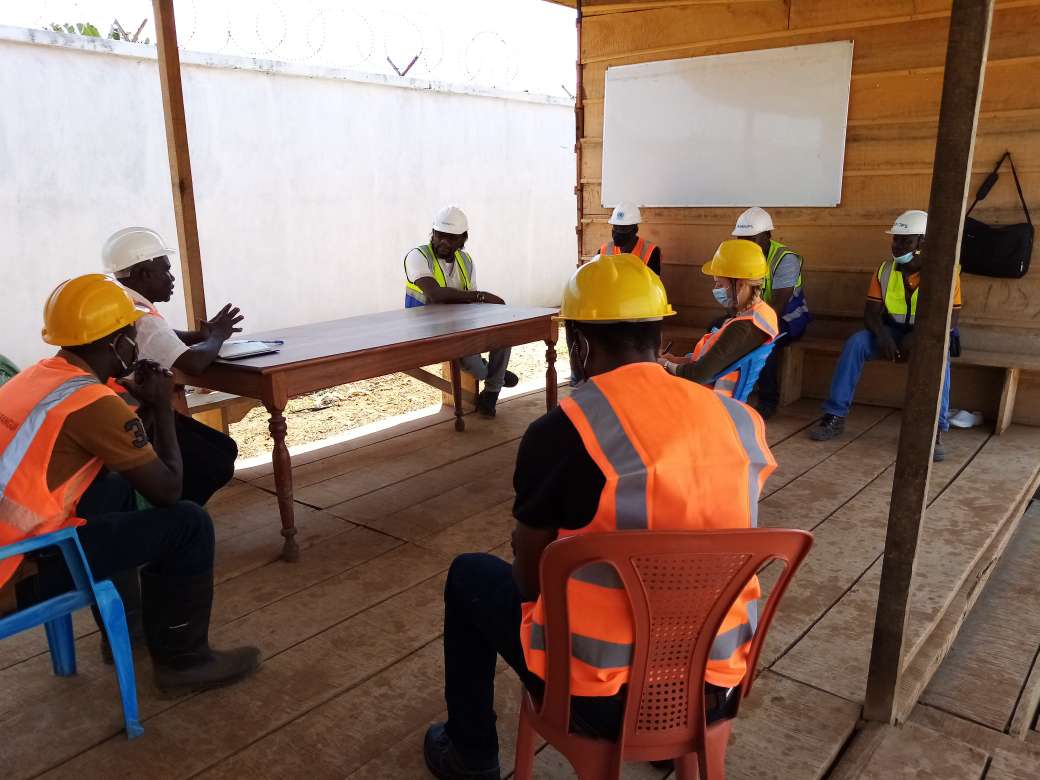
Develop climate-sensitive regional assessments: identify and characterize sources of risk (climate change, vulnerability, exposure of regions and populations), and then determine the risks to be taken into account in forward-looking urban planning,
- Facilitate the adoption of land-use planning documents and tools by various stakeholders to engage cities in a process of building urban resilience
- Develop a body of reference urban planning documents enforceable against third parties (Master Plan for Development and Urban Planning, Municipal Master Plans for Development, Urban Master Plans, and updates to the Economic and Social Development Plan)
- Establish, through a participatory process, the fundamental guidelines for economic and socially sustainable development, land use, and regional development (including tourism),
- Adapt urban development scenarios to identified climate risks, and spatially define risk zones and no-build zones,
Development of urban planning documents for four towns that are particularly vulnerable to climate-related hazards and which are beneficiaries of the Programme for the Adaptation of Towns to Climate Change (PAVICC)
Country : Benin
Service : Urban Development, Climate Change Adaptation
Client : Ministry of Quality of Life and Sustainable Development (Benin)
Funder : French Development Agency
Duration : 2021 to 2025
Total amount : €1.5 million
Partners : Rich’Arc, Agence Perspective
The project
The four municipalities studied (Cotonou, Sèmè-Podji, Bohicon, and Comè) are beneficiaries of the Program for Urban Adaptation to Climate Change (PAVICC). PAVICC supports municipalities in incorporating the vulnerability of their territories to the effects of climate change into urban planning, in order to (i) anticipate and better guide urban growth and (ii) increase the urban resilience of these territories in the event of natural disasters. The goal is to implement urban planning that is resilient to these risks, to plan for livable urban development (more green and blue spaces to reduce the effects of heat islands, more shaded areas, etc.), and to promote more sustainable and environmentally friendly urbanization through shared governance models.
Our services for this project
Development of urban planning documents for the four areas under consideration, enabling the implementation of urban planning that is adapted to climate change and local socioeconomic challenges.
Activities completed :
-
Develop climate-sensitive regional assessments: identify and characterize sources of risk (climate change, vulnerability, exposure of regions and populations), and then determine the risks to be taken into account in forward-looking urban planning,
- Facilitate the adoption of land-use planning documents and tools by various stakeholders to engage cities in a process of building urban resilience
- Develop a body of reference urban planning documents enforceable against third parties (Master Plan for Development and Urban Planning, Municipal Master Plans for Development, Urban Master Plans, and updates to the Economic and Social Development Plan)
- Establish, through a participatory process, the fundamental guidelines for economic and socially sustainable development, land use, and regional development (including tourism),
- Adapt urban development scenarios to identified climate risks, and spatially define risk zones and no-build zones,
Follow us on Linkedin
Follow our LinkedIn page to keep up to date with key developments in our projects, read first-hand accounts from the field and find out more about our areas of expertise.